-
Security research: EU Commission to fund technology to decrypt 5G connections

European police authorities are invited to submit proposals for the development of an interception platform. Authorities from third countries can also participate in the research project. Several German initiatives, including those of the domestic secret service, served as door openers.… Further reading
-
Germany’s long road to drone power
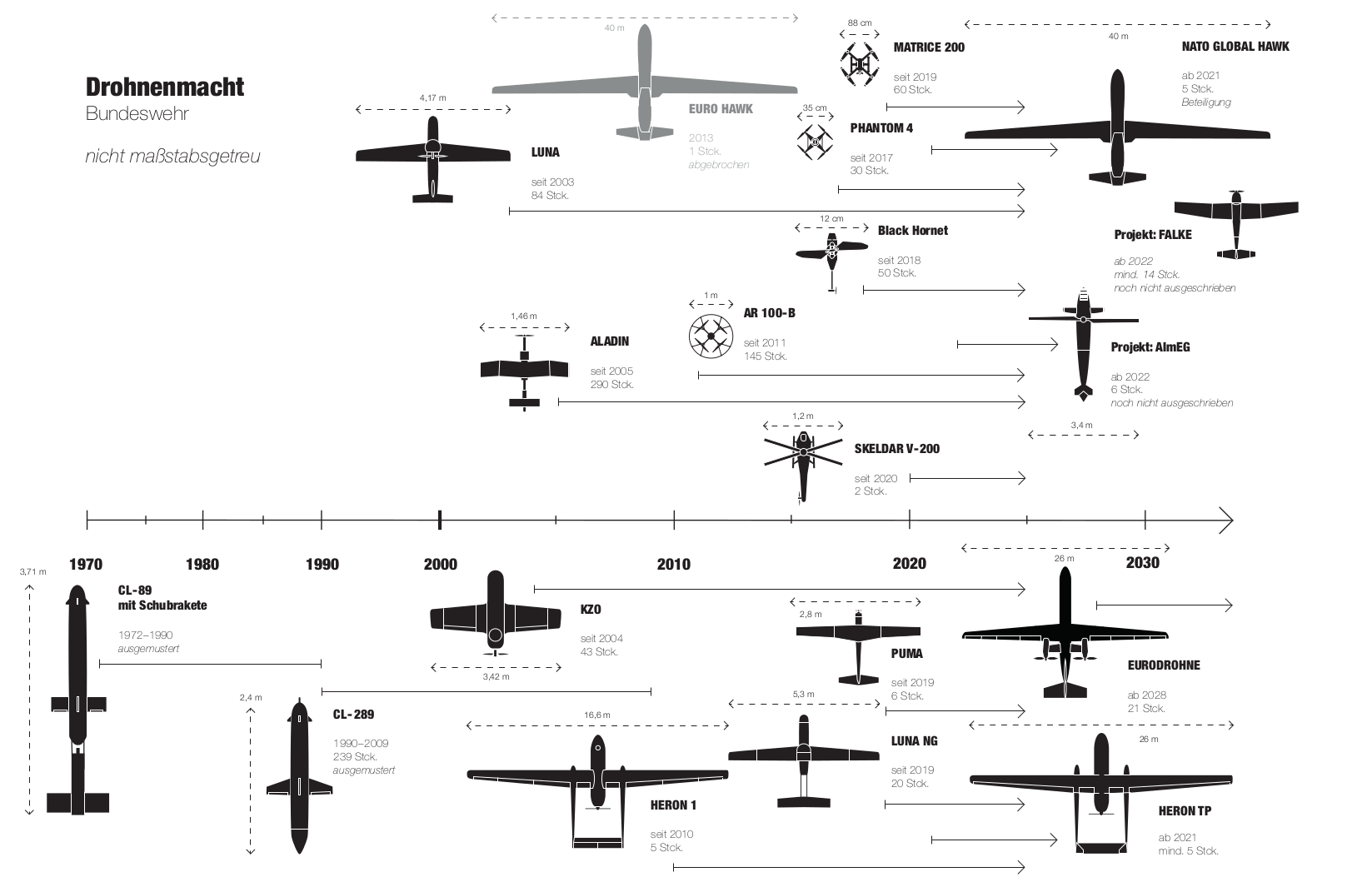
The German Bundeswehr has been flying reconnaissance drones for 60 years, and now they are to be armed. In a study, the author describes all German military drones and the role of the Airbus Group. According to the UN Special… Further reading
-
Schengen Information System: Largest European police database now with Ireland

Presumably because of the Corona pandemic, queries to Europe’s largest wanted persons database have dropped drastically. Irish authorities now also participate in the system, but are only allowed to process about a third of the wanted persons entered there. On… Further reading
-
New freight information system: EU Commission launches pre-declaration with risk analysis
For “safety and security” purposes, imports into the European Union must be pre-declared in future. This advance data contains information on all persons, companies and means of transport involved in the sale, transport or shipment of the goods. In two… Further reading
-
EU drones: Permanent permit for maritime surveillance

This year, the EU is again conducting drone flights for many Member States. Due to many unfulfilled requests, unmanned capabilities are now being expanded. Two drones from Austria and Portugal have become established for coastguard missions. One of the manufacturers… Further reading
-
EU law: No one can stop Frontex

For the first time, the EU border agency commands and arms its own police force. Because its director is “fully independent”, this reinforces a glaring control deficit. Frontex is an agency which was established by the Council of the European… Further reading