-
New database: EU extends criminal records to third country nationals and stateless persons

Five EU biometric databases will be merged into a “Common Identity Repository”. The regulations of all systems have to be renewed. The possibilities of the authorities will be expanded. The European Union will extend its cross-border European Criminal Records Information… Further reading
-
EU to process “confidential security information” with Libyan Coast Guard
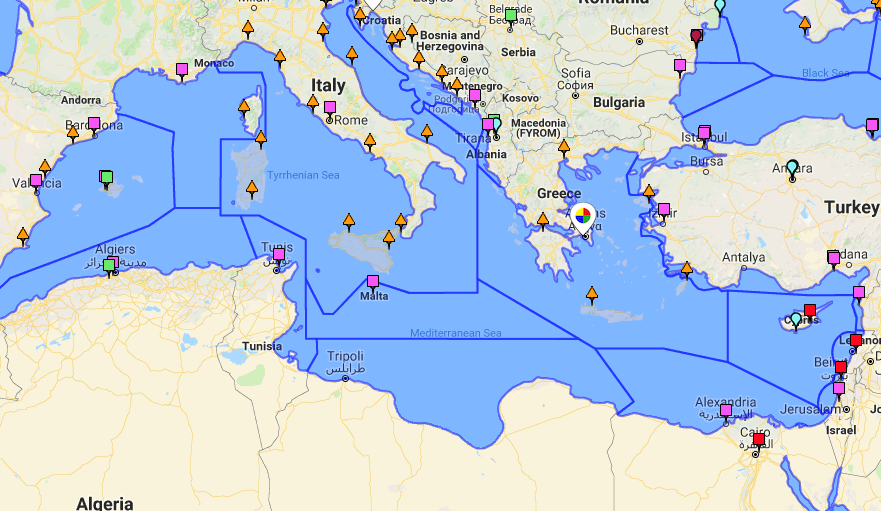
The EU Border Agency has massively strengthened its surveillance capabilities. To make better use of this information, it will now be passed to the Libyan Coast Guard. This is legally impossible, now Frontex is pressing for the relevant regulations to… Further reading
-
How European secret services organise themselves in “groups” and “clubs”
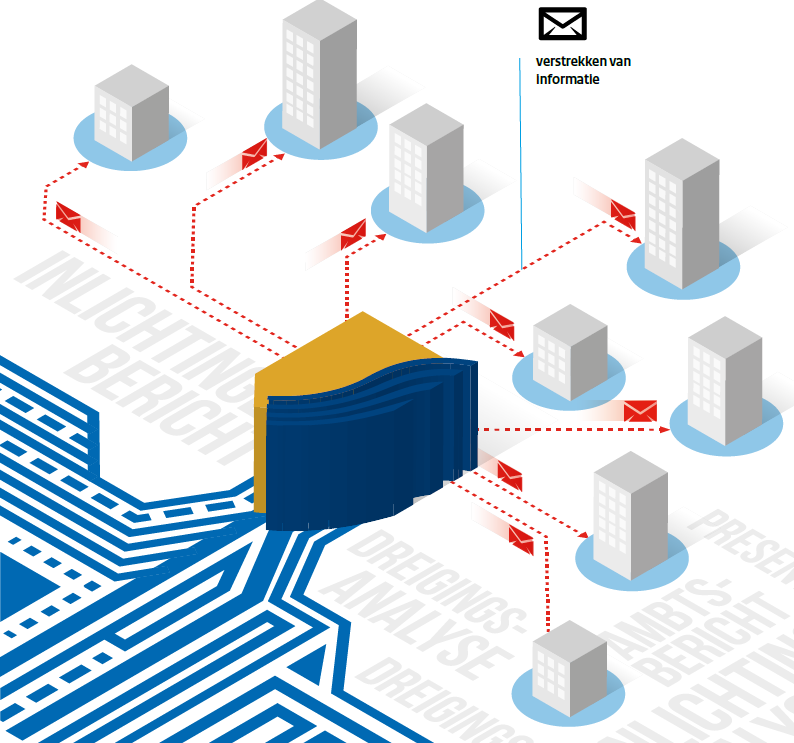
For cross-border cooperation, Europe’s secret services or their responsible ministries join together in non-transparent formats. These networks are difficult to monitor and control. “Club de Berne” and CTG One of the most important cooperations is the “Club de Berne”, in… Further reading
-
German Bundeswehr to get 21 “Eurodrones”

Preparations for a European armed drone are entering the final round, and its development is set to begin in a year’s time. Four years later, a first model could be launched for test flights. The German Ministry of Defense wants… Further reading
-
Drones watching Fortress Europe
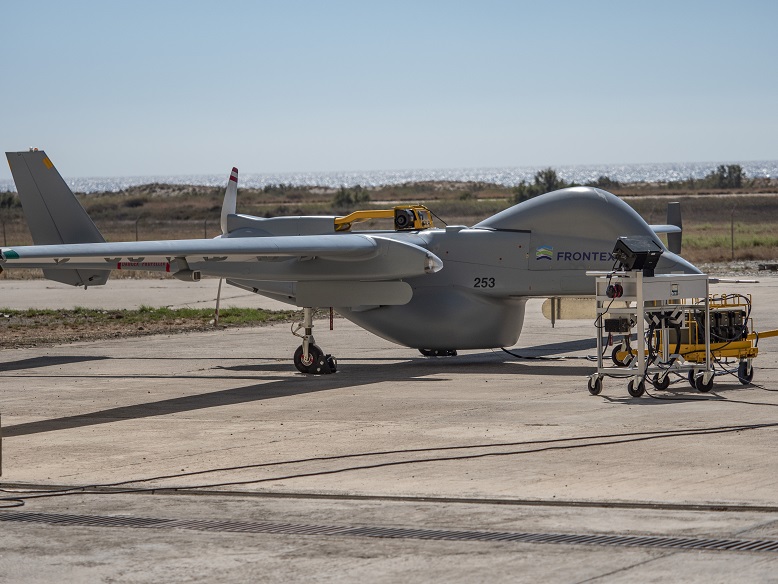
The market for military long-endurance drones is dominated by two companies from Israel and one from the USA. Their products are now flying missions to monitor the Mediterranean Sea. The Israeli company Elbit has been commissioned by the European Union… Further reading
-
The long arm of repression

The Hamburg police use the EU arrest warrant and the European Investigation Order to prosecute activists after the G20 summit. The Federal Criminal Police Office assumes the function of a central office. After the G20 summit, the Hamburg special commission… Further reading