-
Maritime Walls

How armaments companies benefit from Fortress Europe Several agencies in the European Union are responsible for the maritime regions of the Member States. The tasks of the Maritime Safety Agency (EMSA) include the control of shipping, while Frontex coordinates the… Further reading
-
NATO establishes biometric database, US military has it already
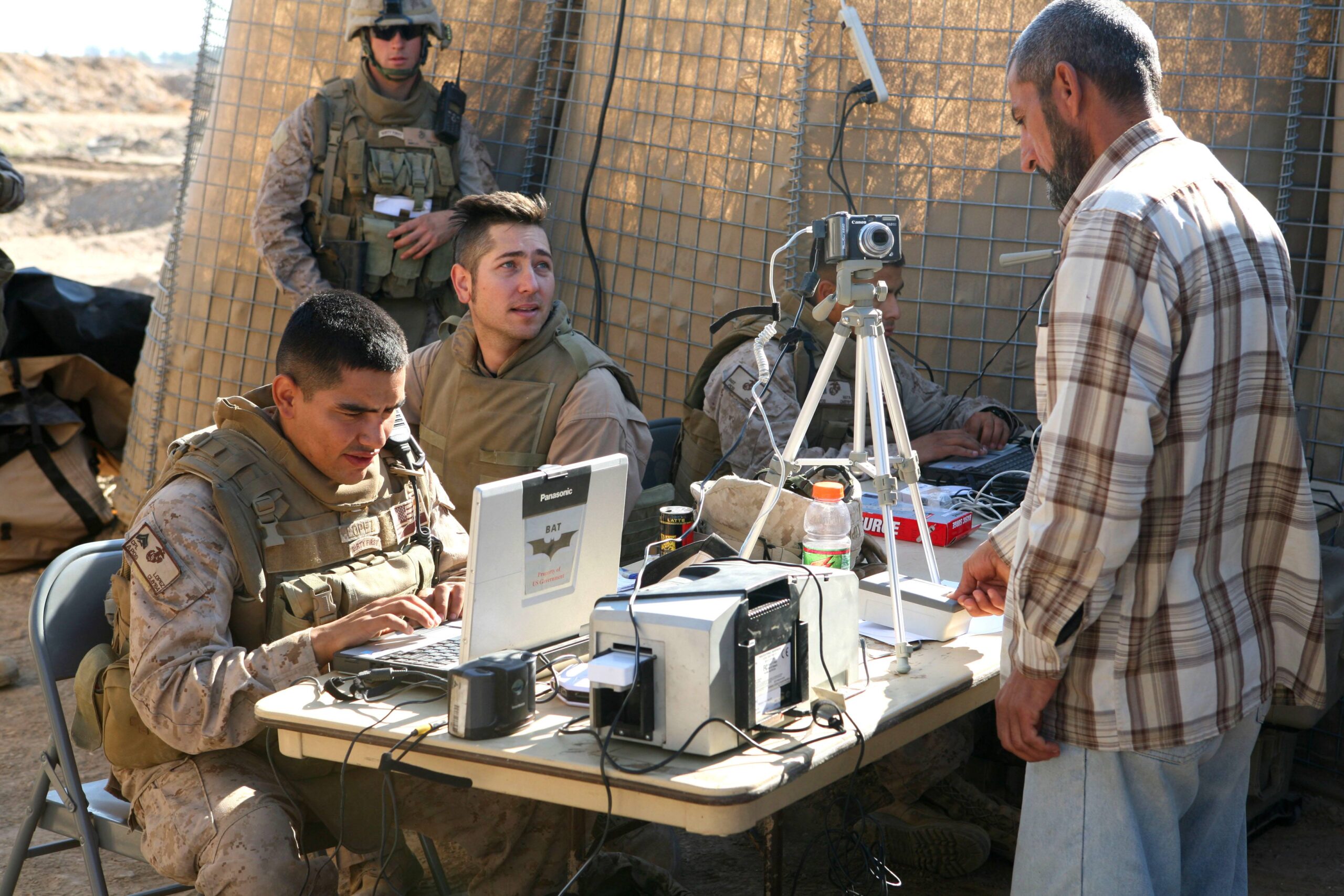
The U.S. Department of Defense stores biometric data on more than seven million people, mostly from war zones. Refugee organizations also collect millions of facial images, irises and fingerprints of people seeking protection. They may also find their way to… Further reading
-
Spy drone “Euro Hawk”: German government sells parts to NATO
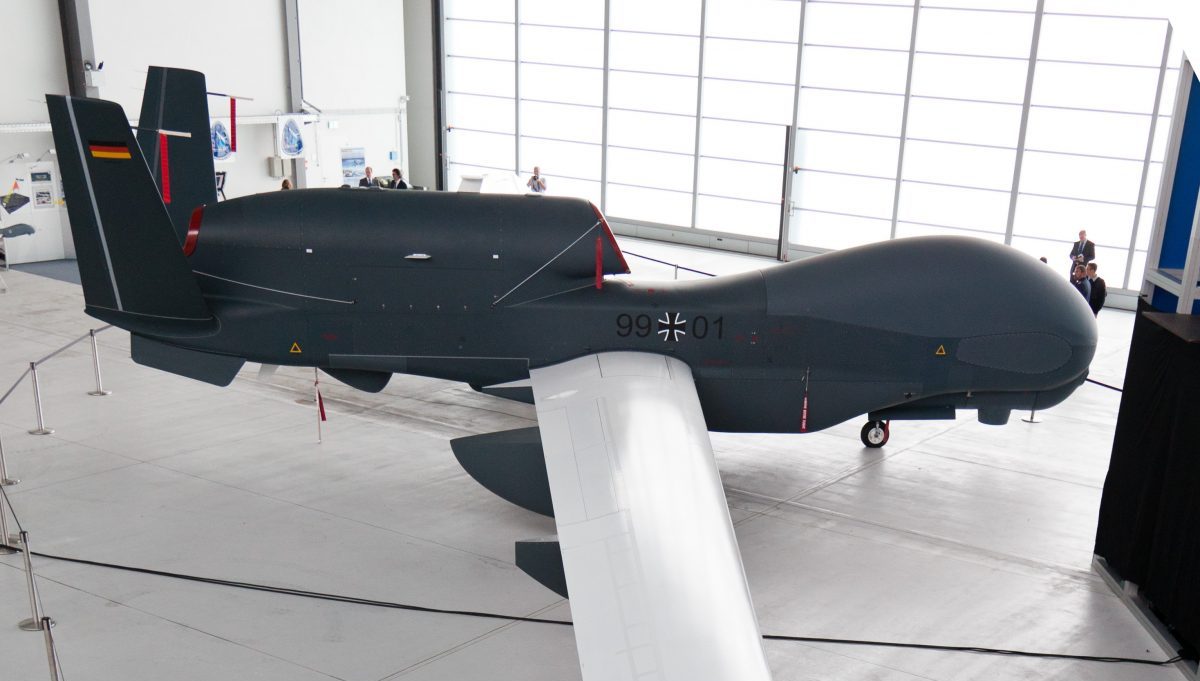
The Bundeswehr hands over devices and instruments of the mothballed “Euro Hawk” to NATO. It is still unclear what will happen to the aircraft itself and the ground stations. Canada withdrew its buying interest, now the US government could step… Further reading
-
Civil and military research: New EU Centre for Cyber Security remains controversial

The European Union wants to increase its “resilience, deterrence and defence” in the area of cyber security. A new centre will coordinate research and training activities. However, the proposed regulation is not compatible with existing institutions and funding programmes. The… Further reading
-
New Technologies: Europol sets up an “Innovation Laboratory”
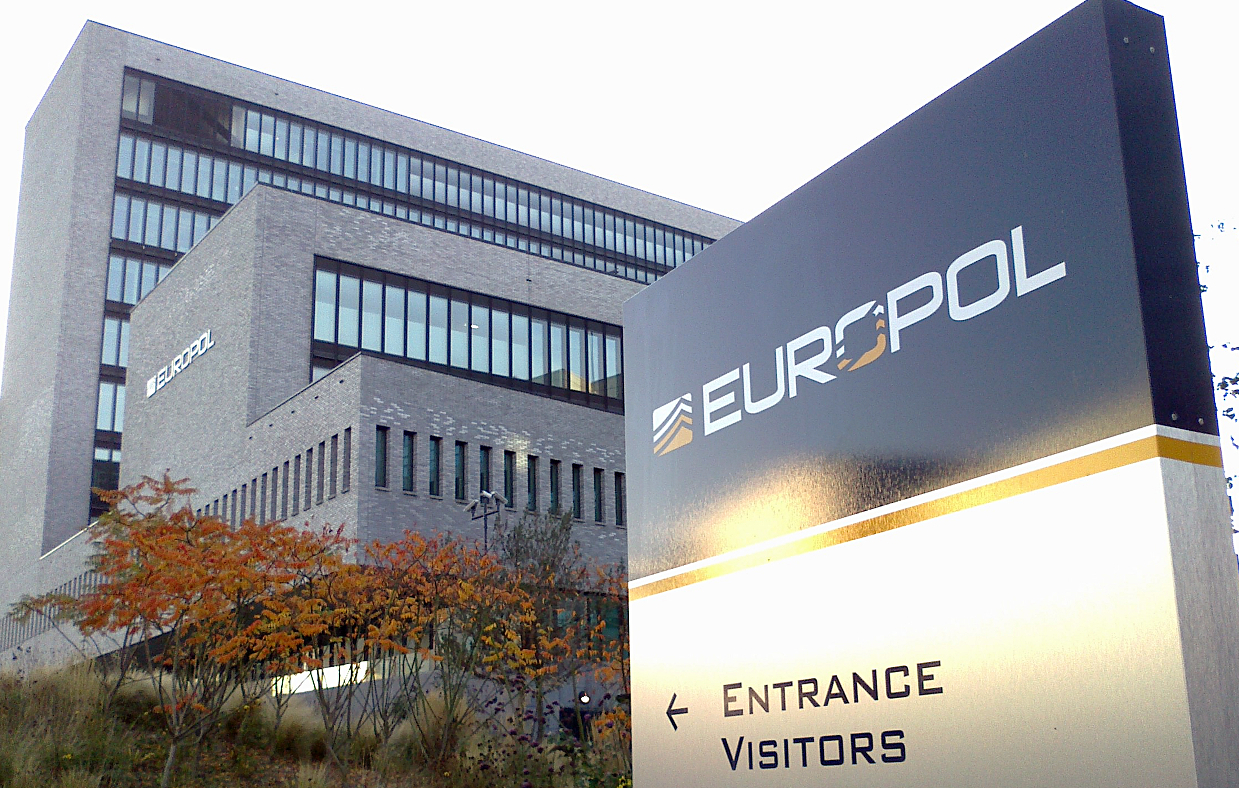
The EU interior ministers want to respond to the “challenges and opportunities” of new technologies. The focus is on 5G networks, artificial intelligence, the Internet of Things, drones, 3D printing and improved decryption. The Europol Police Agency will focus more… Further reading
-
Eurodrone delayed by two years

The envisaged date for series production of a European long-range drone is not tenable. The German Ministry of Defence is to be responsible for the delay of at least two years. In the meantime, the project has been transferred to… Further reading