-
25 years of anti-terror laws: Germany and the EU responded to 9/11 with a new era of “pre-emptive” policing
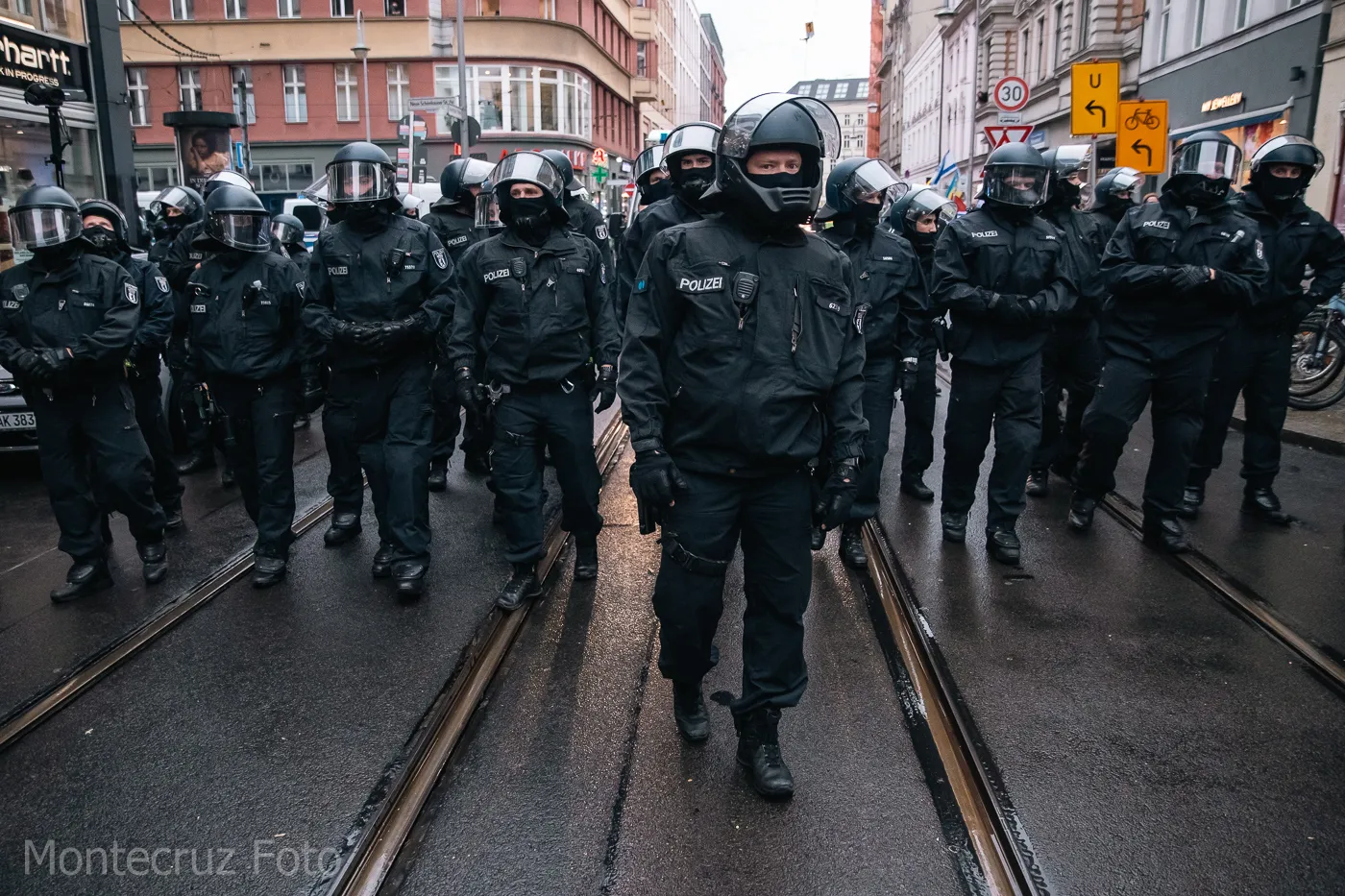
The surveillance powers Germany introduced after 9/11 were meant to be temporary. Twenty-five years on, they have become the rule rather than the exception – from a database exempt from data-protection limits to a “Gefährder” concept now headed for EU… Further reading
-
Frontex now stations ship and surveillance vehicles in English Channel – and still tolerates pushbacks in the Aegean

Frontex is expanding its presence along the French coast as crossings of the English Channel remain high. At the same time, the agency is under renewed scrutiny over an incident near the Greek island of Ikaria in which 27 people… Further reading
-
Gaza drones: German government was entitled to rely on assurances from Israel, court rules against a Palestinian
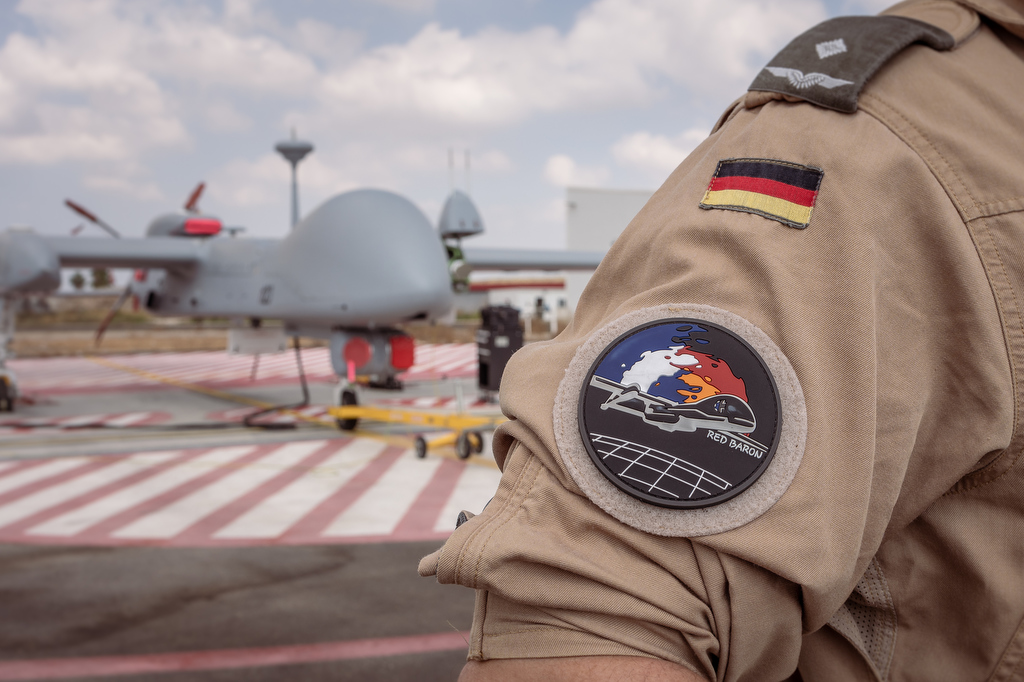
A Palestinian spent nearly two years fighting to force Berlin to restrict Israel’s use of two German-leased drones – and lost. The Higher Administrative Court in Münster confirmed a ruling by the Cologne Administrative Court, finding that the conditions for… Further reading
-
Forensic Architecture presents new evidence in trial of nine police officers over death of refugee Ibrahima Barry

An expert report by the Berlin-based organisation Forensis, presented by lawyers for the joint plaintiffs, argues that the fatal “hogtie” restraint used by police against Ibrahima Barry caused his death, as the trial against nine officers charged over his killing… Further reading
-
Bundestag report: Complete withdrawal of benefits for asylum seekers unlawful, but ECJ to decide on cash payments
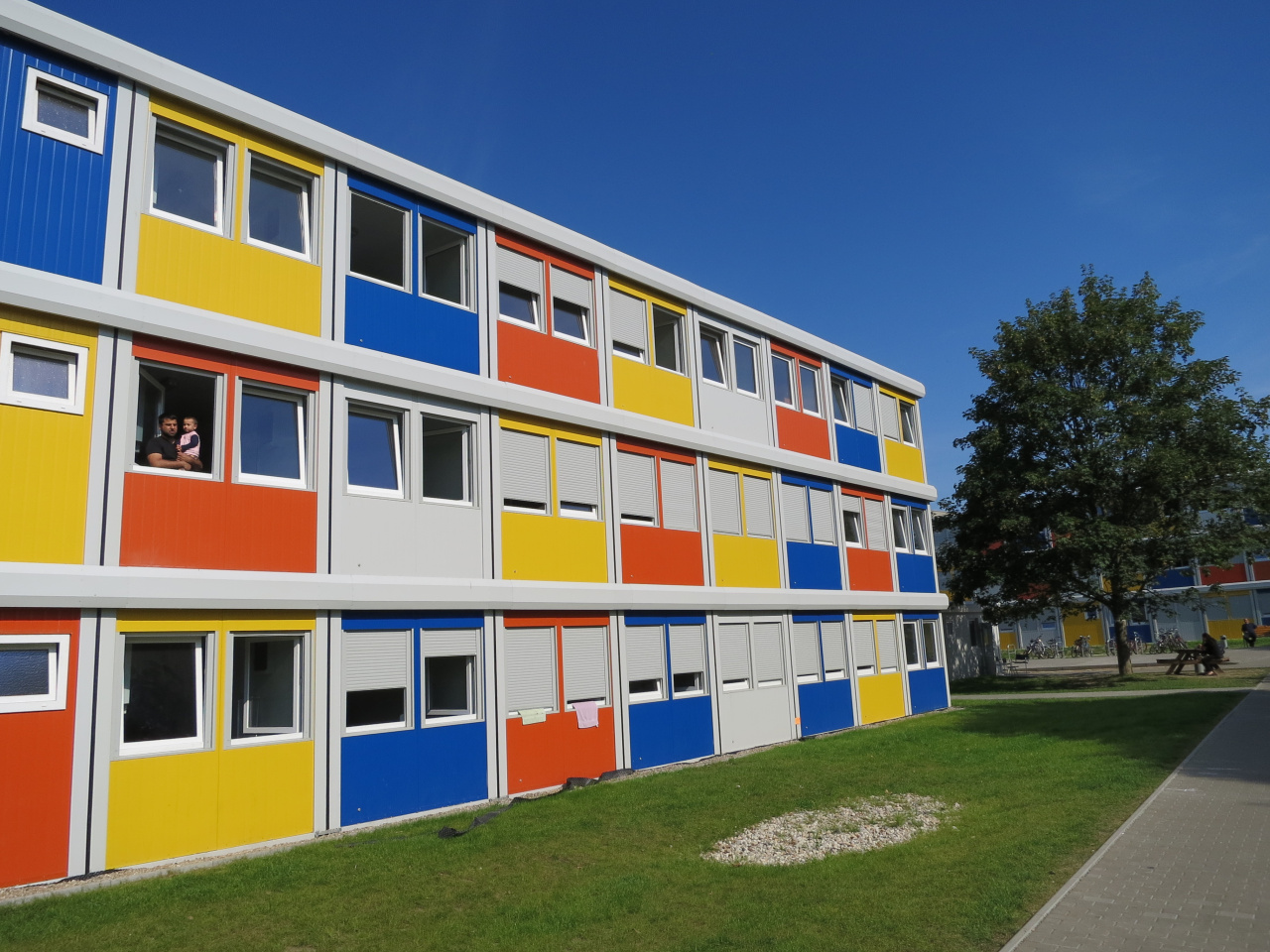
German courts have repeatedly challenged the withdrawal of benefits from asylum seekers in “Dublin cases”. A new expert report now questions both the former and current rules, while leaving one issue concerning cash payments to the European Court of Justice.… Further reading
-
Berlin installs AI cameras to detect suspicious behaviour. A Hamburg project has researched the consequences of such Orwell-style surveillance
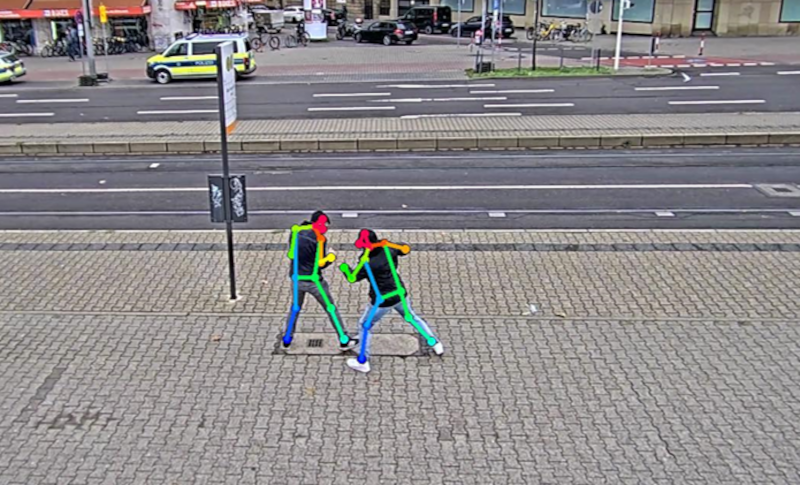
Berlin’s police plan to use AI cameras to detect “suspicious” behaviour. The Hamburg Loki research project examined what such algorithmic surveillance really means in practice – for privacy, marginalised groups and public space. The Hamburg police say the AI cameras… Further reading